
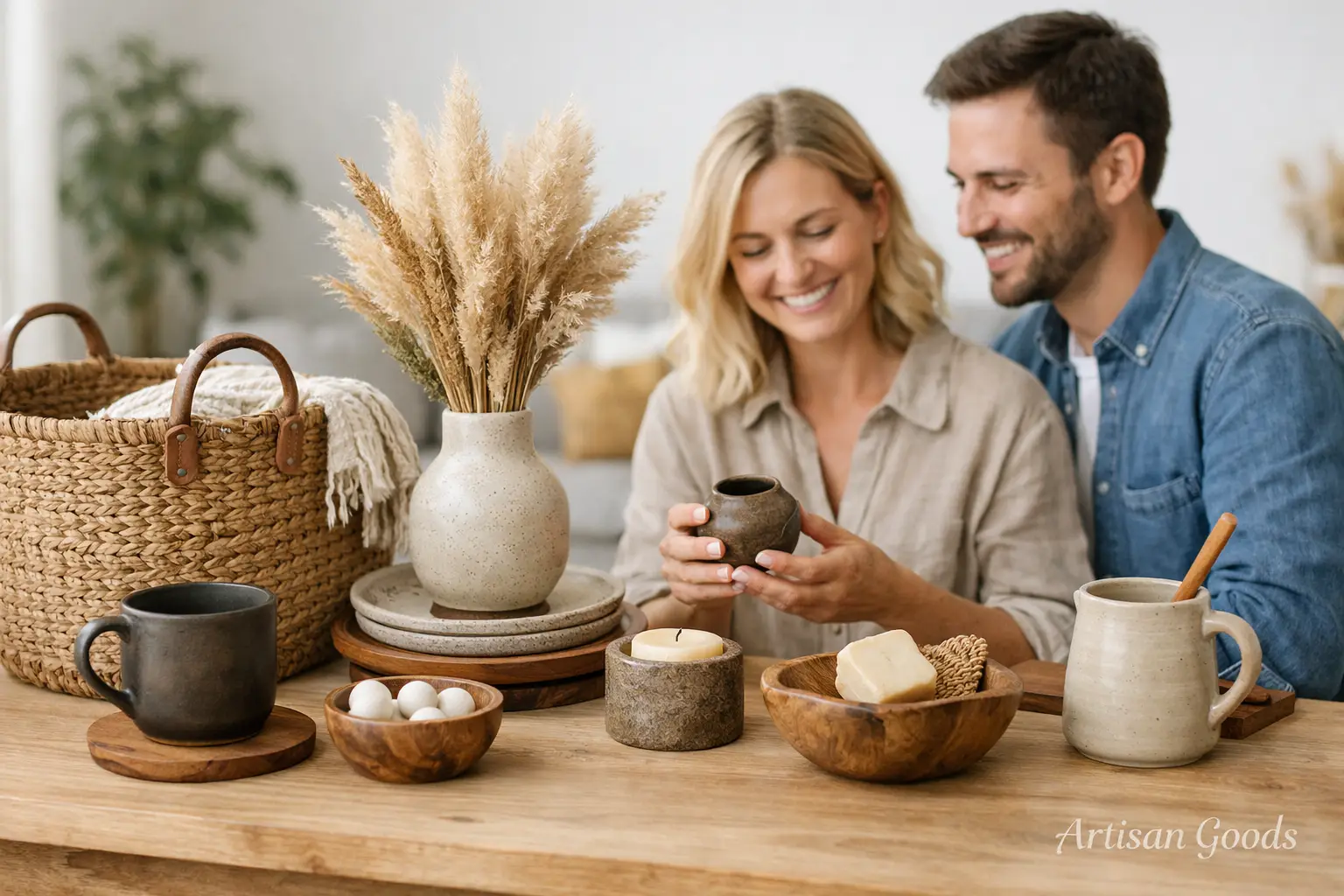
A candle on the bedside table, a hand-finished bowl in the hallway, a calming diffuser in the sitting room – small choices shape the feel of home. When you start looking for ethically sourced homeware UK shoppers can trust, it helps to know what sits behind the product as well as what sits on the shelf. Beautiful design matters, but so do materials, craft, sourcing and the kind of businesses you support with every order.
For many people, ethical homeware is not about making every room look worthy of a magazine spread. It is about choosing pieces that feel considered, useful and a little more personal than mass-produced décor. That might mean handmade home fragrance, artisan decorative pieces, wellness-inspired accents or practical home and garden items that bring warmth without feeling disposable.
What ethically sourced homeware UK shoppers should look for
Ethical sourcing can sound broad because it is broad. It usually covers where something is made, how it is made, what materials are used and whether the people involved are treated fairly. In homeware, that can apply to candles, decorative objects, incense holders, bowls, soft home accents and wellness pieces just as much as it applies to larger household buys.
The first thing to look for is clarity. A retailer should be able to describe products in a way that gives you confidence that the item has been chosen with care. Handmade and artisan-made products often have more visible character, and that can be part of their appeal. Slight variations in finish are not flaws in this context – they are often a sign that a piece has not come off an anonymous production line.
Materials matter too, although the best choice depends on what you are buying. Natural wax candles, essential oil accessories, handcrafted wooden items, ceramic home accents and textile pieces can all carry a different ethical footprint. There is rarely a single perfect answer. A handmade piece may use traditional methods but travel further to reach you. A locally dispatched item may still rely on imported raw materials. The point is not perfection. It is choosing with more awareness.
Why handmade often feels different at home
There is a reason artisan homeware tends to feel calmer and more distinctive in a space. Handmade products usually carry subtle irregularities in texture, glaze, carving or finish that give them presence. They feel less flat, less uniform and often more comforting in everyday use.
That is especially true for home fragrance and wellness-led home pieces. A candle, soap flower arrangement, singing bowl or decorative crystal item is rarely just functional. It helps set a mood. When the object itself feels thoughtfully made, the experience tends to feel more grounded too.
This is also why ethically sourced homeware makes such a good gift. It carries a sense of intention. Instead of giving something generic, you are choosing a piece that feels curated and individual. For birthdays, Christmas, housewarmings or thank-you gifts, that difference matters.
How to shop without getting lost in vague claims
A lot of ethical language in retail is well-meaning but imprecise. Terms like conscious, natural and sustainable can be useful, but they do not always tell you enough on their own. If you want to shop more carefully, it helps to focus on a few practical questions.
Start with who made it. If a product is described as handmade, artisan-made or crafted in small batches, that gives a stronger sense of origin than generic lifestyle wording. Then look at what it is made from. Natural or traditional materials can be a good sign, particularly when paired with clear product information rather than broad marketing statements.
Next, think about longevity. Ethical buying is not only about source. It is also about whether you will actually keep and use the item. A decorative piece that becomes part of your home for years is often a better choice than a trend-led buy that loses its appeal in a month. The same goes for home fragrance, ritual accessories and bath-adjacent home items – if they genuinely fit your routine, they are more likely to be valued rather than wasted.
Price is another part of the picture. Very cheap homeware can sometimes signal compromises in labour, material quality or both. That does not mean ethical products must be expensive, but it does mean there is usually a reason a handcrafted item costs more than a factory-made equivalent. You are often paying for time, skill and smaller-scale production.
Choosing ethically sourced homeware for gifting
Gift shopping is where many people first start paying closer attention to sourcing. If you are buying for someone else, you want the piece to feel special, but you also want it to feel thoughtful rather than last-minute. Ethically sourced homeware UK gift buyers choose often sits in that sweet spot between practical and indulgent.
Home fragrance is a strong example. Candles, diffusers and aromatherapy-inspired pieces work well because they are useful, sensory and easy to enjoy without needing a lot of explanation. Decorative spiritual homeware, artisan bowls and calming home accents can also make memorable gifts, especially for people who enjoy creating quiet rituals at home.
The key is matching the product to the person. Some recipients will love a decorative piece with a handmade finish. Others will appreciate something more functional, such as a diffuser accessory or a home item that adds comfort without requiring shelf space. Ethical gifting is not about choosing the worthiest option. It is about choosing something that feels right and has been sourced with care.
Building a calmer home, one piece at a time
You do not need to replace everything you own to shop more consciously. In fact, a slower approach usually makes more sense. Start with the categories you use most or notice most. If scent is central to how you unwind, begin with candles, essential oil accessories or diffusers. If your home feels visually busy, one well-chosen decorative item may do more than a basket of impulse buys.
This is where a curated retailer can make life easier. When home fragrance, wellness products, decorative accents and giftable artisan pieces sit together in one place, it becomes simpler to build a home that feels cohesive rather than random. You can choose by mood, occasion or room, and the result still feels considered.
There is also a practical advantage for gift buyers. If you are shopping for a birthday, Christmas or a new-home gesture, it helps when you can browse across calming homeware, bath and body treats, spiritual décor and handmade lifestyle pieces without hopping between different shops. That convenience does not cancel out ethical intent. If anything, it supports it by making thoughtful shopping easier to sustain.
A few trade-offs worth knowing
Ethical shopping is rarely neat. Handmade products can vary slightly. Natural materials can need more care. Artisan production may mean stock changes with the seasons or that a favourite item is not always available in large quantities. For many shoppers, that is part of the appeal, but it is still worth knowing before you buy.
There is also the question of style versus principle. Sometimes the most ethical option may not be the one that best suits your home. Other times, a product may fit your aesthetic perfectly but offer less detail about its origin than you would like. In those moments, it helps to shop with a hierarchy. Decide what matters most to you – handmade craft, natural materials, giftability, wellness appeal or long-term use – and choose from there.
That approach is often more realistic than chasing a perfect purchase. It keeps the process grounded and helps you buy pieces that feel both responsible and enjoyable to live with.
Where ethically sourced homeware fits into everyday life
The best homeware does not sit there asking to be admired. It quietly improves the way a home feels. A softly scented candle can make an evening slower and gentler. A handcrafted decorative object can bring texture to a room that feels unfinished. A spiritual or wellness-inspired piece can create a small pause in an otherwise busy day.
That is why ethically sourced homeware appeals to so many people who are also drawn to self-care and meaningful gifting. It joins beauty with use. It lets your home feel more personal without becoming cluttered with things that have no purpose.
At Artisan Goods UK, that idea sits naturally alongside artisan home fragrance, handmade decorative pieces and wellness-led home accents chosen for both feel and function. The aim is not to make ethical shopping complicated. It is to make it easier to find pieces that bring calm, character and care into everyday spaces.
If you are choosing homeware with more intention, start small and trust your eye. A well-made piece that feels good in your home is rarely just another purchase – it becomes part of how your space welcomes you back.