
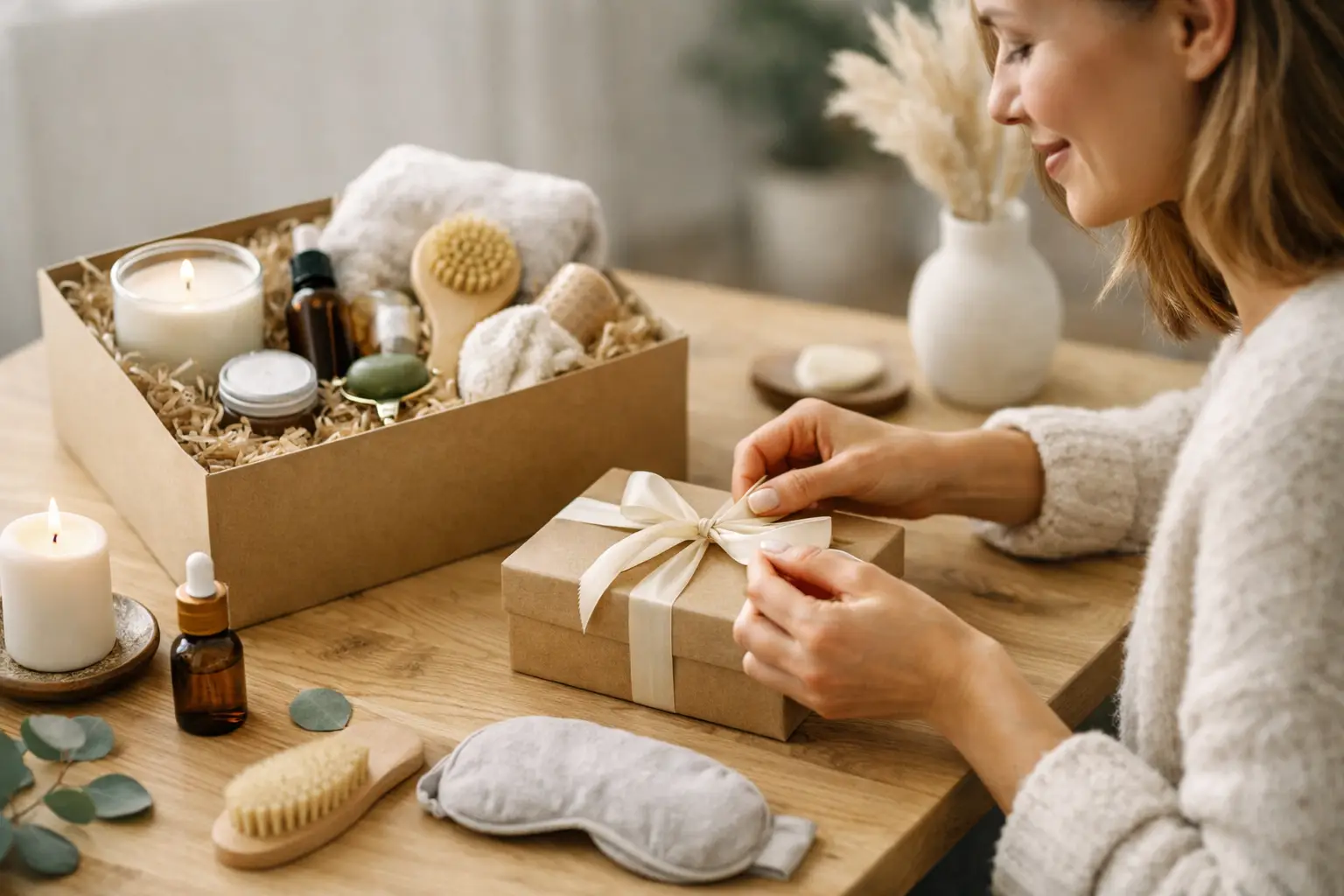
A well-chosen self-care gift does more than look lovely when it is opened. It gives someone permission to slow down, enjoy their own space and make an ordinary evening feel a little more considered. This guide to self care gifting from Artisan Goods is for finding presents that feel generous without being generic – whether you are celebrating a birthday, saying thank you or simply reminding somebody that they deserve a peaceful moment.
The most memorable choices are usually sensory, useful and personal. A scent they will enjoy, a small ritual they can return to, or a handmade object that brings warmth to their home can all say far more than a last-minute present ever could.
What makes a self-care gift feel thoughtful?
Self-care means different things to different people. For one person, it is a long bath with a favourite scent and no interruptions. For another, it is lighting a candle while reading, making a proper cup of tea, or creating a calmer corner at home. The best gift is not necessarily the largest one. It is the one that fits naturally into the recipient’s life.
Start with what you already know about them. Do they love a floral fragrance, prefer clean and fresh scents, or reach for warm notes that make a room feel cosy? Are they always busy, newly moved house, celebrating a milestone, or going through a demanding patch? These clues help you choose something that feels considered rather than overly prescriptive.
There is a useful balance to strike. A very specific item can feel wonderfully personal when you know their tastes, but it may be less suitable if you are unsure about scents, skin preferences or spiritual practices. In that case, choose a gentle home fragrance, attractive soap, artisan tea or decorative piece that offers comfort without asking too much of the recipient.
A guide to self care gifting by ritual
Rather than shopping by occasion alone, it helps to think about the kind of moment you would like the gift to create. This makes it easier to combine a few complementary items without turning the present into an impersonal bundle.
For a slower bath-time routine
Bath and body treats are a natural place to begin, especially for birthdays, thank-you presents and seasonal gifting. Bath bombs bring colour, fragrance and a little ceremony to an otherwise practical routine. Handmade soaps are equally thoughtful, particularly when presented in a dish or paired with a soft, comforting fragrance for the bathroom.
Soap flowers make a particularly beautiful choice when you want the gift to feel decorative as well as indulgent. They can add a sense of occasion to a bath ritual, and their flower-like presentation makes them lovely for recipients who appreciate thoughtful details. If you are building a small selection, choose a shared scent direction – fresh, floral or softly sweet – rather than mixing too many competing aromas.
Keep the recipient’s preferences in mind. Strongly fragranced products can be a joy for someone who loves scent, while a simpler soap or a more neutral home item may be the safer option for somebody whose tastes you do not know well.
For a calm, comforting home
Home fragrance gifts make everyday spaces feel more intentional. Candles suit quiet evenings, while essential oils and diffusers are ideal for someone who enjoys setting the mood of a room through scent. They work especially well as housewarming presents because they offer warmth and character without adding clutter.
A candle can feel intimate and indulgent, but it depends on how the recipient lives. Someone with a busy household may appreciate a diffuser that can become part of their daily routine, while a candle lover may value the simple act of lighting one at the end of the day. A thoughtfully chosen fragrance can also make the gift feel seasonal without relying on novelty.
For an elevated home-focused present, pair a fragrance item with a small decorative home piece. The combination gives them something to enjoy immediately and something that remains part of their space long after the scent has faded.
For a mindful moment away from the noise
Some people find self-care in quiet rituals that help them pause and reset. Singing bowls and tingsha bells can make a distinctive gift for someone drawn to meditation, yoga or creating a dedicated quiet space at home. Their appeal lies in their presence as much as their sound: they are tactile, decorative and suited to a slower pace.
Crystal items and spiritual homeware can also be meaningful for the right person. Choose these when you know they enjoy this style of gifting, rather than treating them as a universal answer. A beautifully made piece is often enough on its own, although it can sit well alongside a candle or a calming home fragrance if you want to create a more complete ritual.
The key is not to make claims about what any object will do for someone. Let the gift be an invitation to take time for themselves, enjoy a peaceful atmosphere and create a home that reflects what they love.
For a small daily treat
Not every self-care gift needs to centre on a full evening ritual. Artisan tea is a lovely choice for the person who appreciates a proper break during a busy day. It is approachable, easy to enjoy and can be made to feel more special with a beautiful mug, a small home accessory or a scented candle for their desk or kitchen.
This kind of present is particularly useful for colleagues, neighbours and friends you may not know intimately. It feels generous without being too personal, and it offers a simple moment of comfort they can enjoy in their own time.
How to choose scents without guessing badly
Fragrance is one of the most personal parts of self-care gifting, so it is worth using a little care. If you know their favourites, follow that lead. Someone who fills their home with flowers may enjoy floral notes, while lovers of cosy interiors may prefer warmer, richer scents. Fresh fragrances often work well for bathrooms, kitchens and people who favour a lighter atmosphere.
When you are unsure, do not try to impress with the strongest or most unusual option. A balanced, welcoming scent is usually more versatile. You can also reduce the risk by choosing a single scented item and pairing it with an unscented or decorative companion. That creates a considered present while keeping the overall experience easy to enjoy.
Make the gift feel curated, not complicated
A good self-care present can be one item chosen exceptionally well. A handmade candle, a set of bath treats or an artisan piece for the home has enough character to stand alone. If you would like to give more, aim for two or three items that belong together rather than filling a box for the sake of it.
For example, a bath bomb, handmade soap and soap flowers can create a lovely at-home bathing moment. A diffuser, essential oil and decorative piece can suit a new-home gift. A candle alongside artisan tea makes a warm, easy-going choice for a friend who deserves a quiet evening.
Presentation matters too. Choose colours, materials and scents that feel harmonious, then add a handwritten note explaining why you thought of them. That note is often what turns a beautiful item into a truly personal gift.
When to give a self-care gift
Self-care gifting works well for obvious occasions such as birthdays, Christmas and Mother’s Day, but it is just as meaningful outside the usual calendar. It can be a kind gesture for a friend who has moved home, started a new job, completed a difficult project or simply needs a reminder to make room for themselves.
For larger celebrations, consider combining home fragrance with bath and body pieces to give the present a more generous feel. For a smaller gesture, a single handmade soap, candle or tea selection can say plenty. Price is less important than relevance: a modest gift chosen with care will always feel more special than something extravagant that does not suit the person receiving it.
A thoughtful self-care gift should never feel like an instruction to fix, improve or become more productive. Choose something that brings pleasure to an existing routine, then let the recipient enjoy it in their own way and at their own pace.