
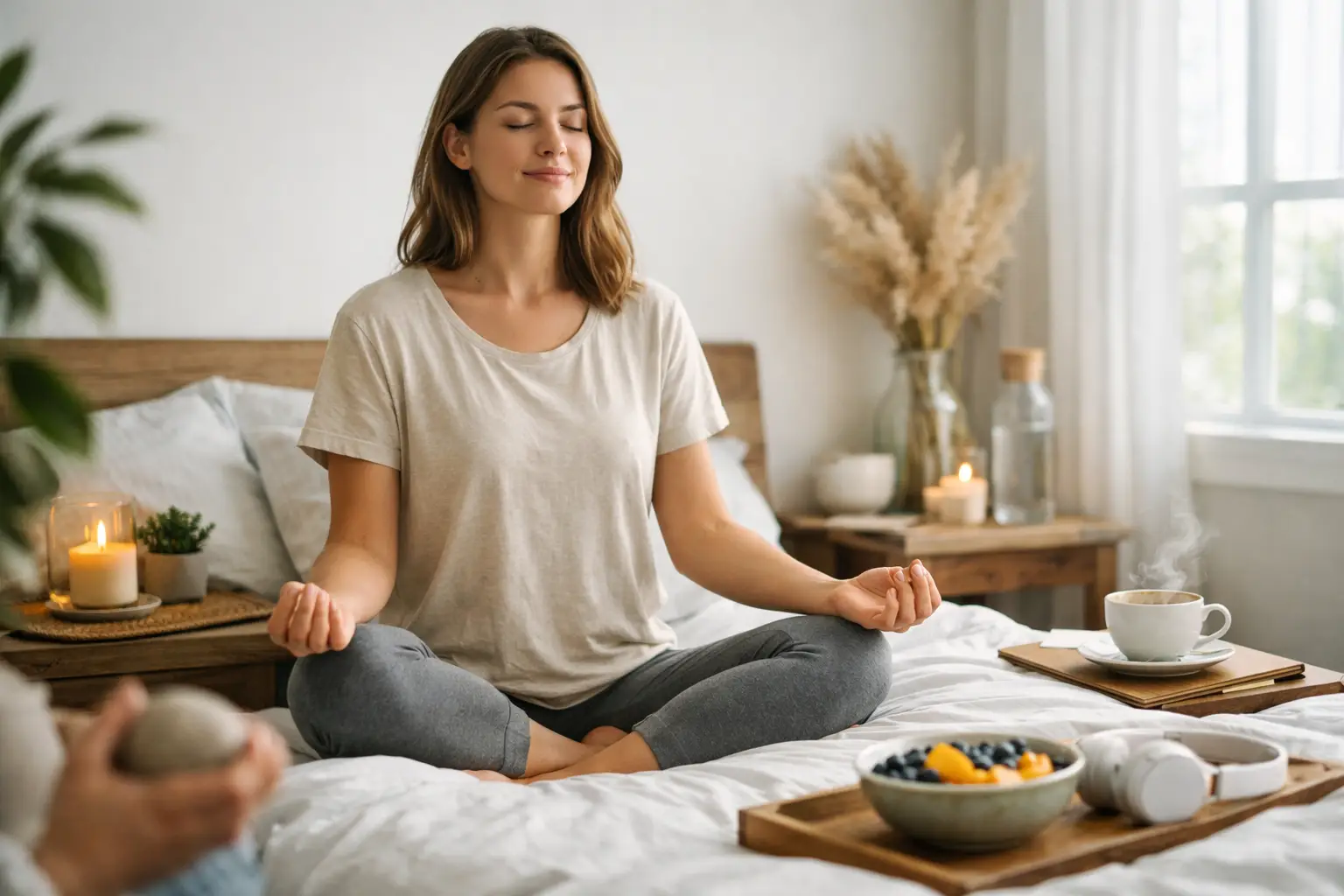
You don’t need a silent retreat, a perfect morning routine or an hour of meditation to feel more grounded. The best daily mindfulness habits anyone can start are usually the smallest ones – the pause before the kettle boils, the few slow breaths before opening your inbox, the moment you notice a scent, a texture or a change in light at home.
That matters because mindfulness is less about performing calm and more about creating little points of return throughout the day. If your schedule is full, your home is busy or your mind tends to race, simple habits are often the ones that stay with you. They ask less, but they give back steadily.
Why daily mindfulness habits anyone can start tend to work
There’s a reason elaborate wellness plans often fade by week two. They depend on motivation, free time and the right mood arriving all at once. Most people need something gentler and more realistic.
Small mindfulness habits work because they attach themselves to routines you already have. You boil water, wash your hands, light a candle in the evening, run a bath, make tea, tidy a side table. These ordinary moments can become cues to slow down and notice what is happening instead of rushing straight through it.
There’s also less pressure in a five-second reset than in a grand promise to become a new person by Monday. If a habit feels too worthy or too time-heavy, it can quickly turn into another task. Mindfulness should support your day, not compete with it.
Start with your senses, not your schedule
One of the easiest ways to make mindfulness feel natural is to begin with sensory awareness. This suits real life far better than chasing complete mental silence. Most people cannot stop thoughts on demand, but they can notice the warmth of a mug, the sound of rain against the window or the scent drifting from a diffuser.
A sensory habit gives your attention somewhere gentle to land. If you enjoy home fragrance, herbal tea, soothing bath products or simple ritual objects, you already have useful anchors around you. The point is not to buy a whole new lifestyle. It is to use what helps you become more present in the space you already live in.
The one-minute morning check-in
Before looking at your mobile phone, sit or stand still for one minute. Notice your breathing without changing it too much. Feel your feet on the floor. Ask yourself one practical question: what do I need most today – energy, patience, focus or rest?
This small check-in is effective because it shifts you from automatic mode into intentional mode. It does not need to become a journal practice unless you want it to. Some mornings, one honest answer is enough.
Use kettle time as a reset
Kettle time is one of the most overlooked pauses in the day. Instead of filling it with scrolling, let it become a cue to breathe more slowly. Watch the steam, listen to the sound, feel the anticipation of a warm drink.
This is especially useful if mornings feel fragmented. Making tea or coffee can become less of a rushed necessity and more of a transition into the day. If you prefer, add a small ritual such as choosing a favourite mug or taking the first sip without doing anything else at the same time.
Build mindfulness into things you already do
Mindfulness lasts longer when it travels inside existing routines. That could mean your skincare at night, your bath before bed or the way you open a window in the morning. The habit itself does not need to look impressive. It simply needs to be repeatable.
Turn hand washing into a pause
Several times a day, you already wash your hands. For one of those moments, pay full attention. Notice the temperature of the water, the scent of the soap, the feel of the lather and the movement of your hands.
It sounds almost too simple, but that is the strength of it. You are not adding another task. You are changing the quality of attention within a task that already exists.
Let a scent signal a change of pace
Scent can be a powerful marker between one part of the day and the next. Lighting a candle after work, adding essential oils to a diffuser in the evening or using a comforting bath product can help create a mental boundary when life feels too continuous.
This is useful for people who work from home or carry stress from one room to another. A scent ritual does not solve everything, but it can tell the body that the day is softening. The trade-off is that rituals only work if they stay simple. If they become too elaborate, they lose some of that grounding ease.
Create daily mindfulness habits anyone can start at home
Home is often where habits either settle in or disappear. The more visible and inviting your cues are, the easier it is to remember them. A candle on a tray, a singing bowl on a shelf, a small tea corner or a neatly placed bath soak can all act as quiet reminders to slow down.
You do not need a dedicated wellness room. A small corner is enough. What matters is that your environment supports the mood you want to return to.
The three-breath doorway habit
Choose one doorway you walk through often – perhaps the kitchen, bathroom or bedroom. Each time you cross that threshold, take three slower breaths. That is all.
This works well because doorways are built-in transitions. They help break the feeling that the whole day is one long, blurred stream. If three breaths feels too noticeable when others are around, make it one deeper breath instead.
Make your evening bath or shower more attentive
Many people already treat their bath or shower as recovery time, but mindfulness makes it more restorative. Notice the temperature, the scent, the sound of water and the sensation of muscle tension easing.
If you enjoy artisan soaps, bath bombs or aromatherapy blends, this can become one of the easiest evening rituals to keep. The key is to stay with the experience rather than letting your mind sprint ahead to tomorrow’s to-do list. If thoughts wander, bring your attention back to the water.
When mindfulness feels difficult
Some days, mindfulness can feel oddly irritating. If you are stressed, tired or emotionally stretched, being told to sit quietly with your thoughts may be the last thing you want. That does not mean you are doing it badly. It usually means you need a softer entry point.
On difficult days, choose grounding over reflection. Hold a warm mug. Fold laundry slowly for two minutes. Step outside and feel the air. Listen to a tingsha bell or a few clear notes from a singing bowl and let the sound fade fully before moving on. Short, sensory practices are often easier than trying to force a peaceful state.
It also helps to drop the idea that mindfulness should always make you feel instantly calm. Sometimes it simply makes you notice that you are frazzled, distracted or low on energy. That awareness is still useful. It gives you a more honest starting point.
Keep it realistic and a little bit lovely
The most lasting habits usually have two things in common. They are easy enough to repeat, and they feel pleasant enough to want. That is why tactile, sensory details matter. A soft towel, a calming room spray, a tea you look forward to, a candle that changes the atmosphere of a room – these small touches make the practice feel welcoming rather than dutiful.
For many people, mindfulness becomes more sustainable when it is woven into everyday comforts instead of placed on a pedestal. It can sit beside gifting too. A thoughtful self-care item for someone else is often, at heart, an invitation to pause and pay attention.
If you want to try several habits, resist the temptation to start all nine at once. Pick one for mornings, one for the middle of the day and one for evenings. Live with those for a week. Notice what actually fits your life rather than what looks best on paper.
At Artisan Goods UK, that balance between ease and enjoyment sits at the heart of everyday ritual. Mindfulness does not need to be grand to be meaningful. Sometimes it begins with a breath, a scent, a sip of tea and the simple decision to be where you are for a moment longer.