
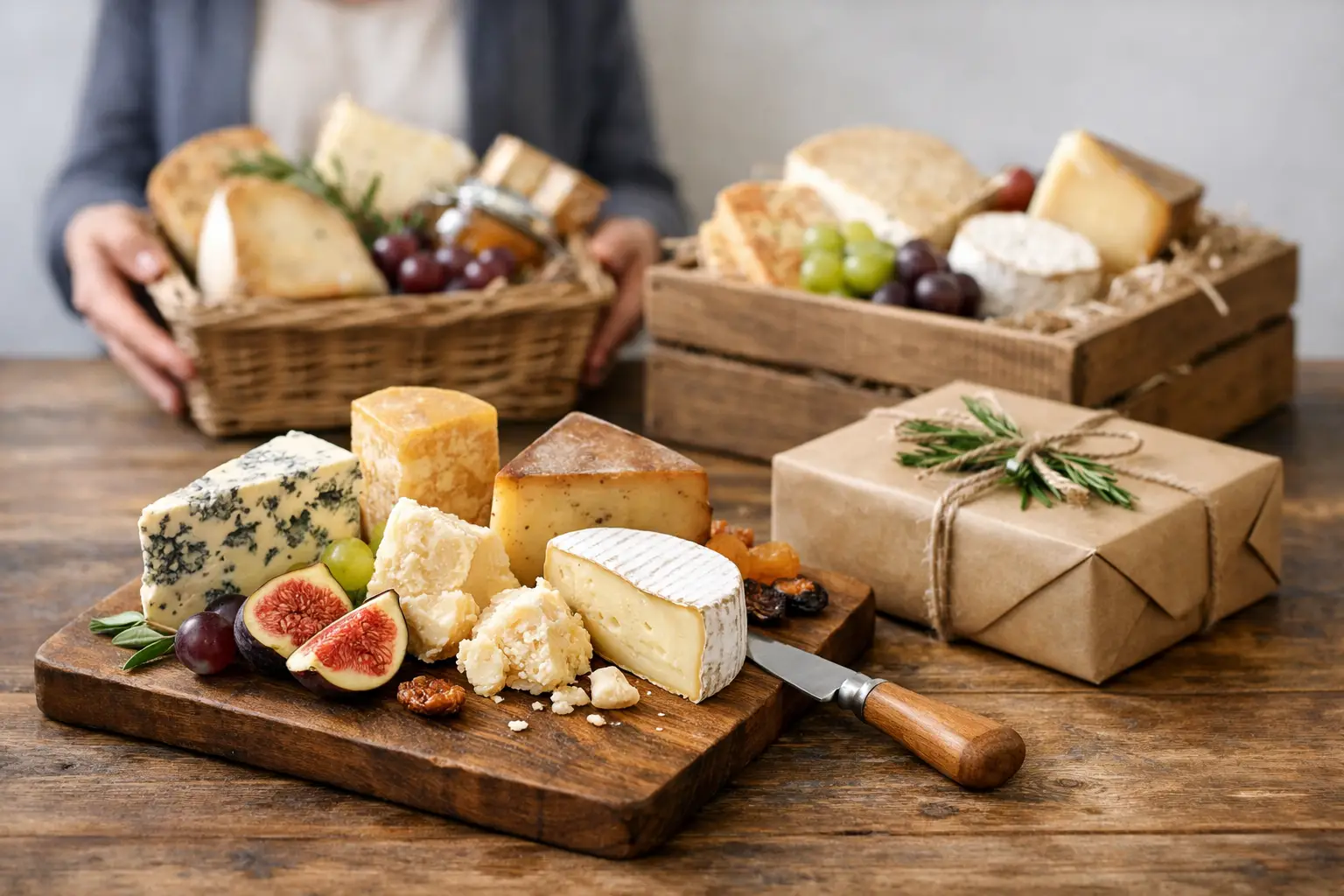
A cheese gift can feel wonderfully personal when it has clearly been chosen for the person receiving it. At Artisan Goods, we know that meaningful presents are rarely about picking the most expensive option – they are about small, thoughtful details that make someone feel seen. Artisan cheese for gifting works beautifully for food lovers, hosts, birthdays and seasonal celebrations, provided you choose with care.
The best choice is not necessarily the boldest, rarest or most elaborately wrapped cheese. It is the one that suits the recipient’s tastes, arrives in good condition and feels like a genuine treat rather than something they feel obliged to share.
Start with the person, not the cheese
Before choosing a cheese, think about what the recipient already enjoys. Someone who reaches for familiar, mellow flavours may be delighted by a creamy, approachable cheese, while an enthusiastic cook or keen foodie may welcome something more complex and distinctive. A gift should invite enjoyment, not become a test of adventurousness.
Texture matters as much as flavour. Firm, aged cheeses tend to feel rich and substantial, often with savoury or nutty notes. Softer cheeses can feel more indulgent and celebratory, but they may be less practical if the recipient needs to travel with the gift or cannot refrigerate it straight away. Blue cheeses have devoted fans, yet their stronger character makes them best for someone you know will appreciate them.
If you are unsure, a small, considered selection is often kinder than one very large piece of a flavour they may not enjoy. Variety gives the recipient a choice and makes the present feel carefully curated. Keep the selection coherent, though. Too many conflicting flavours can make a gift seem random rather than thoughtful.
Artisan cheese for gifting should feel considered
Artisan cheese is valued for its craftsmanship, individual character and connection to the people who make it. That makes it especially fitting for occasions when you want to move beyond an ordinary, last-minute present. The appeal is not only in the cheese itself, but in the sense that someone has made it with skill, patience and attention.
Look for clear information about where and how the cheese has been made, along with guidance on flavour, storage and best-before dates. Detailed labelling is useful for the recipient as well as the buyer. It helps them know what they are opening, how to look after it and when to enjoy it at its best.
There is a practical trade-off here. Very fresh or delicate cheese may offer a beautiful eating experience, but it needs more careful timing and chilled delivery. A firmer, longer-lasting cheese can be easier to give, particularly around busy periods such as Christmas, when plans and deliveries can change quickly. Neither option is automatically better – it depends on the occasion and how confidently you can arrange storage.
Choose a flavour profile with confidence
A gentle, creamy cheese is a safe choice for many recipients and can feel luxurious without being challenging. A mature, firm cheese suits people who enjoy deeper, savoury flavours and appreciate a cheese they can return to over several meals. A washed-rind or blue cheese can make a memorable gift for someone with established tastes, but it is worth avoiding guesswork with these more distinctive styles.
For a close friend, partner or family member, you may already know their favourites. For a colleague, host or newer acquaintance, a balanced and accessible choice is usually the better gesture. The aim is to be generous without making assumptions.
Check dietary needs before you buy
Food gifts carry a little more responsibility than decorative presents. Allergies, intolerances, dietary preferences and pregnancy-related food guidance can all affect what is suitable. If you know the recipient well, this may be simple. If you do not, a discreet question before ordering is far better than giving them something they cannot eat.
Check allergen information carefully and pay attention to whether the cheese is made with pasteurised milk if this is relevant to the recipient. Vegetarian suitability should also be confirmed rather than assumed, as cheese-making methods vary. Clear labels and producer information make this easier, but when in doubt, ask the supplier directly before purchasing.
It can feel tempting to keep every part of a gift a surprise. In practice, finding out what someone can enjoy is part of making the gift thoughtful. You can still preserve the surprise in the choice of flavour, the presentation and the moment it arrives.
Timing and delivery make all the difference
Cheese is not a present to leave waiting behind a door. Plan the delivery for a day when the recipient is likely to be at home, or have it sent to you first if you are giving it in person. This gives you more control over the condition of the gift and lets you add your own finishing touch.
For birthdays and smaller occasions, delivery close to the date keeps the gift feeling fresh and immediate. At Christmas or during a busy hosting period, ordering early can be sensible, but only if you have checked the storage instructions and shelf life. The best timing balances freshness with enough breathing room in case plans change.
If you are carrying the cheese yourself, keep it cool and avoid leaving it in a warm car or bag for longer than necessary. A beautifully chosen gift loses some of its charm if it arrives damaged or has not been stored properly.
Make the presentation feel special
Because cheese is a sensory gift, presentation should feel simple, clean and intentional. Keep any original packaging intact where possible, especially if it contains storage information, then add a handwritten tag explaining why you chose it. A few warm words can turn a delicious item into a personal present.
This is also an opportunity to bring in a little of the calm, handcrafted feeling associated with Artisan Goods. A reusable cloth wrap, a neat gift box or a small decorative detail can make the unwrapping feel considered without distracting from the food itself. Avoid packing it alongside strongly scented items, as cheese can absorb surrounding aromas.
If you are giving more than one cheese, include a short note with the names and flavour descriptions. This is particularly helpful for unfamiliar varieties and gives the recipient a reason to slow down and enjoy the experience. You do not need to sound like an expert. A simple line such as “creamy and mellow” or “deep, savoury and full-bodied” is enough.
Match the gift to the occasion
For a housewarming or dinner invitation, choose something that feels easy to share. For a birthday, select a cheese that reflects the recipient’s personality or favourite flavours. A festive gift can be a little more indulgent, especially when it is intended for relaxed evenings, visiting family or seasonal entertaining.
For corporate gifting or thank-you presents, practicality matters. Choose a well-packaged option with a clear shelf life and avoid especially divisive flavours unless you know the recipient’s preferences. A gift should be easy to receive, store and enjoy, particularly when you do not know someone’s household routine.
Price is worth considering, but a thoughtful cheese gift does not have to be extravagant. One carefully chosen piece, properly presented, can feel far more generous than a larger selection chosen without any sense of the recipient. The value lies in the care behind it.
Give them a reason to savour it
The loveliest artisan cheese gifts encourage someone to pause. They offer a small pleasure that can be enjoyed slowly, shared with people they love or saved for a quiet evening at home. That is why knowing the recipient’s tastes, checking the practical details and adding one personal note matters so much.
Choose for enjoyment first, then let the quality and character of the cheese do the rest.