
Discover the benefits of handmade soap, how it differs from commercial alternatives, the ingredients commonly used in artisan soap and why natural handcrafted soaps have become increasingly popular among consumers seeking quality skincare products.
What Is Handmade Soap?
Handmade soap is soap that is produced in small batches using traditional soap-making methods and carefully selected ingredients. Unlike many mass-produced soaps found on supermarket shelves, handmade soaps are often crafted with greater attention to quality, ingredient selection and skin-friendly formulations.
Artisan soap makers combine oils, butters, fragrances and other ingredients to create products that cleanse the skin while providing a more enjoyable and personalised bathing experience.
Handmade soaps have become increasingly popular among consumers who are looking for alternatives to heavily processed personal care products. Many people appreciate the craftsmanship, natural ingredients and distinctive fragrances that artisan soaps can offer.
Whether purchased for personal use or as gifts, handmade soaps remain one of the most enduring and popular artisan products available today.
The History of Soap Making
Soap has been used for thousands of years.
Ancient civilisations developed early forms of soap using combinations of oils, fats and alkaline substances. Over time, soap making evolved into a skilled craft practiced by artisans throughout Europe, the Middle East and Asia.
For centuries, soap was produced in small batches by local makers who relied on traditional techniques and locally available ingredients.
The Industrial Revolution introduced large-scale manufacturing, making soap more affordable and widely available. However, mass production also led to more standardised formulations and reduced reliance on traditional craftsmanship.
Today, artisan soap makers continue to preserve many traditional methods while combining them with modern knowledge of skincare ingredients and fragrance blending.
Why Handmade Soap Is Growing in Popularity
Consumer interest in handmade soap has increased significantly over recent years. Several factors have contributed to this growth.
Greater Awareness of Ingredients
Many consumers now pay closer attention to the ingredients used in personal care products. Handmade soap often appeals to people who appreciate simple ingredient lists and carefully selected components.
Interest in Natural Products
The demand for natural bath and body products continues to grow.
Consumers increasingly seek products that align with their preferences for natural ingredients, traditional craftsmanship and small-batch production.
Appreciation for Artisan Craftsmanship
Many shoppers enjoy supporting independent makers and artisan businesses. Handmade soap offers a practical way to enjoy a product that combines everyday usefulness with skilled craftsmanship.
Gift Giving
Beautifully presented artisan soaps have become popular gifts for birthdays, holidays and special occasions. Many consumers choose unique handmade gifts for special occasions because they feel more thoughtful and personal than mass-produced alternatives.
How Handmade Soap Differs from Commercial Soap
One of the most common questions consumers ask is whether handmade soap is different from commercial soap. While both products are designed to cleanse the skin, there are several important distinctions.
Small-Batch Production
Handmade soap is typically produced in smaller quantities. This allows makers greater control over quality, consistency and ingredient selection.
Greater Attention to Detail
Artisan soap makers often pay close attention to fragrance, appearance, texture and formulation. The result is a product that frequently feels more individual and distinctive.
Unique Designs
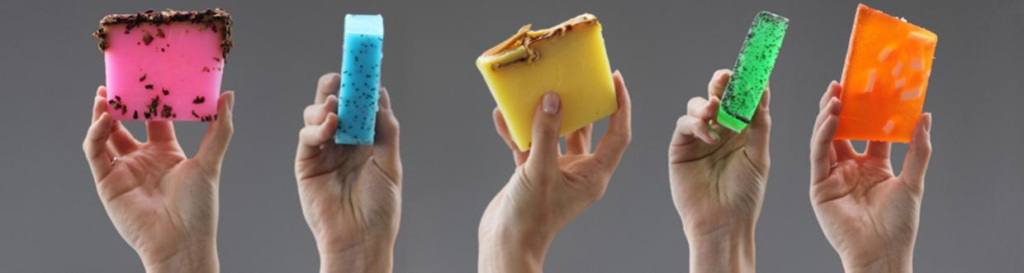
Many handmade soaps feature attractive colours, swirls, patterns, botanicals or decorative finishes. These details contribute to the visual appeal that many customers enjoy.
Variety of Fragrances
Artisan soap makers often create a wide variety of fragrance combinations, offering customers greater choice and individuality. Many soaps incorporate scents inspired by flowers, fruits, herbs, spices, woods and seasonal themes.
Common Ingredients Found in Handmade Soap
The ingredients used in handmade soap play a major role in its character and performance.
Plant-Based Oils
Many artisan soaps use combinations of plant-derived oils such as:
- Olive oil
- Coconut oil
- Sunflower oil
- Castor oil
- Sweet almond oil
These oils contribute to cleansing, lather, texture and overall soap quality.
Butters
Soap makers often incorporate nourishing butters such as:
- Shea butter
- Cocoa butter
- Mango butter
These ingredients help create luxurious and creamy soap bars.
Essential Oils
Many artisan soaps use essential oils to provide fragrance and aromatic character.
Popular choices include:
- Lavender
- Peppermint
- Eucalyptus
- Lemon
- Orange
- Tea Tree
Consumers who enjoy natural fragrances often appreciate soaps scented with carefully blended essential oils.
Botanicals
Dried flowers, herbs, spices and plant extracts are frequently used to add visual interest and fragrance. Examples include:
- Lavender buds
- Rose petals
- Calendula
- Chamomile
- Mint leaves
Colourants
Many artisan soap makers use naturally inspired colourants to create attractive designs and patterns.
The Benefits of Handmade Soap
There are many reasons why consumers choose handmade soap over conventional alternatives.
A More Personal Experience
Handmade soaps often feel more distinctive and individual than mass-produced products. Each bar reflects the creativity and craftsmanship of its maker.
Unique Fragrance Choices
Artisan soap makers frequently offer fragrance combinations that are unavailable in mainstream products. Consumers can choose from floral, citrus, herbal, fruity, woody and seasonal scents.
Beautiful Presentation
Many handmade soaps are visually appealing and make attractive additions to bathrooms or gift collections.
Supporting Small Businesses
Every purchase helps support independent makers and artisan businesses. Many consumers enjoy knowing that their purchase contributes directly to skilled craftspeople and small enterprises.
Excellent Gift Potential
Handmade soap remains one of the most versatile gift options available.
It is suitable for:
- Birthdays
- Christmas
- Mother’s Day
- Thank-you gifts
- Housewarming presents
- Wellness hampers
Popular Types of Handmade Soap
Artisan soap makers create a wide variety of soap styles and fragrance profiles.
Floral Soaps
Floral fragrances remain among the most popular soap varieties. Common scents include:
- Lavender
- Rose
- Jasmine
- Geranium
Many consumers associate floral fragrances with relaxation and luxury.
Citrus Soaps
Citrus-inspired soaps often feature fragrances such as:
- Lemon
- Orange
- Grapefruit
- Lime
- Bergamot
These fresh fragrances are popular throughout the year.
Herbal Soaps
Herbal fragrances offer a clean and refreshing character. Examples include:
- Peppermint
- Rosemary
- Sage
- Eucalyptus
Seasonal Soaps
Many artisan makers create soaps inspired by seasonal scents and celebrations. Popular seasonal fragrances may include:
- Cinnamon
- Apple
- Vanilla
- Spice blends
- Festive berry fragrances
Aromatherapy-Inspired Soaps
Some handmade soaps are created using fragrance combinations commonly associated with relaxation and wellbeing. Consumers who enjoy wellness products often choose aromatherapy-inspired soap collections as part of their self-care routines.
Handmade Soap and Self-Care
Self-care has become an important part of many people’s daily lives. While self-care means different things to different people, many consumers enjoy creating small moments of relaxation throughout the day. Handmade soap can contribute to this experience by transforming a simple daily routine into something more enjoyable. Pleasant fragrances, attractive presentation and thoughtful craftsmanship all help create a more enjoyable bathing experience.
Many consumers pair artisan soaps with other bath and body products to create a complete wellness routine. Bath bombs and general aromatherapy products have become hugely popular.
Handmade Soap as Part of a Gift Collection
Handmade soap works exceptionally well as part of a larger gift collection. Popular gift combinations include:
- Soap and bath bomb sets
- Soap and candle gifts
- Aromatherapy gift boxes
- Wellness hampers
- Relaxation-themed gifts
The combination of practicality and luxury makes artisan soap suitable for a wide range of recipients. Consumers often choose thoughtful handmade gifts that combine beauty and practicality when shopping for family and friends.
Choosing the Right Handmade Soap
With so many options available, selecting the right soap often comes down to personal preference.
Consider Fragrance Preferences
One of the easiest ways to narrow choices is by fragrance family. Popular fragrance categories include:
- Floral
- Citrus
- Herbal
- Fruity
- Fresh
- Woody
- Seasonal
Consider Gift Recipients
When buying soap as a gift, think about the recipient’s favourite fragrances and personal tastes.
Consider Presentation
Many artisan soaps feature decorative finishes, attractive packaging and gift-ready presentation. These features can make a significant difference when purchasing soaps for special occasions.
Sustainability and Handmade Soap
Many consumers are increasingly interested in sustainability. Handmade soap often aligns naturally with several environmentally conscious values.
Small-Batch Production
Producing soap in smaller quantities can help reduce waste and overproduction.
Reduced Packaging
Many artisan makers use simple and environmentally friendly packaging solutions.
Long-Lasting Products
Well-made soap bars can provide excellent value and minimise unnecessary packaging compared with some alternative formats.
Supporting Responsible Consumption
Choosing quality products that are carefully crafted encourages a more thoughtful approach to purchasing decisions.
Why Handmade Soap Remains Popular
Despite the enormous range of personal care products available today, handmade soap continues to attract loyal customers. Its popularity is driven by several factors:
- Attractive presentation
- Unique fragrances
- Artisan craftsmanship
- Gift suitability
- Small-batch production
- Support for independent businesses
- Wide variety of choices
These qualities help explain why handmade soap remains one of the most successful artisan product categories worldwide.
Frequently Asked Questions
What is handmade soap?
Handmade soap is soap created using traditional or artisan production methods, typically in small batches with carefully selected ingredients.
Why do people buy handmade soap?
Consumers often choose handmade soap because of its unique fragrances, attractive appearance, artisan craftsmanship and gift appeal.
Does handmade soap make a good gift?
Yes. Handmade soap is a popular gift because it combines practicality, luxury and attractive presentation.
What fragrances are available in handmade soap?
Popular options include floral, citrus, herbal, fruity, woody, seasonal and aromatherapy-inspired fragrances.
Are handmade soaps artisan products?
Yes. Handmade soap is one of the most recognised and widely purchased artisan product categories.
Can handmade soap be part of a gift set?
Absolutely. Handmade soaps are often included in wellness hampers, bath and body collections and handmade gift sets.
Conclusion
Handmade soap represents one of the finest examples of artisan craftsmanship applied to everyday life. Combining traditional production methods, carefully selected ingredients, distinctive fragrances and attractive presentation, artisan soaps offer consumers a product that feels both practical and special.
Whether purchased for personal use, included in a self-care routine or given as a thoughtful gift, handmade soap continues to grow in popularity because it delivers quality, individuality and a genuine connection to skilled craftsmanship. As consumers increasingly seek products that reflect authenticity and care, handmade soap remains a timeless choice that brings together beauty, functionality and artisan expertise.
For those looking to explore natural bath and body products, artisan soaps provide an excellent introduction to the wider world of handcrafted wellness and gift products. For a complete range of aromatherapy products, bath bombs and body care products and more, explore our Artisan Goods collections.
Related Reading: Complete Guide To Bath Bombs