
If you’ve recently discovered essential oils, you may be wondering where to begin. With hundreds of oils available and countless ways to use them, getting started can feel overwhelming.
The good news is that learning about essential oils doesn’t have to be complicated. Whether you’re interested in aromatherapy, creating a relaxing home environment, enhancing your self-care routine or exploring natural wellness products, a basic understanding of essential oils can help you use them confidently and safely.
This comprehensive beginner’s guide explains what essential oils are, how they are made, how to use them safely, the most popular oils for beginners and practical tips for getting started.
What Are Essential Oils?
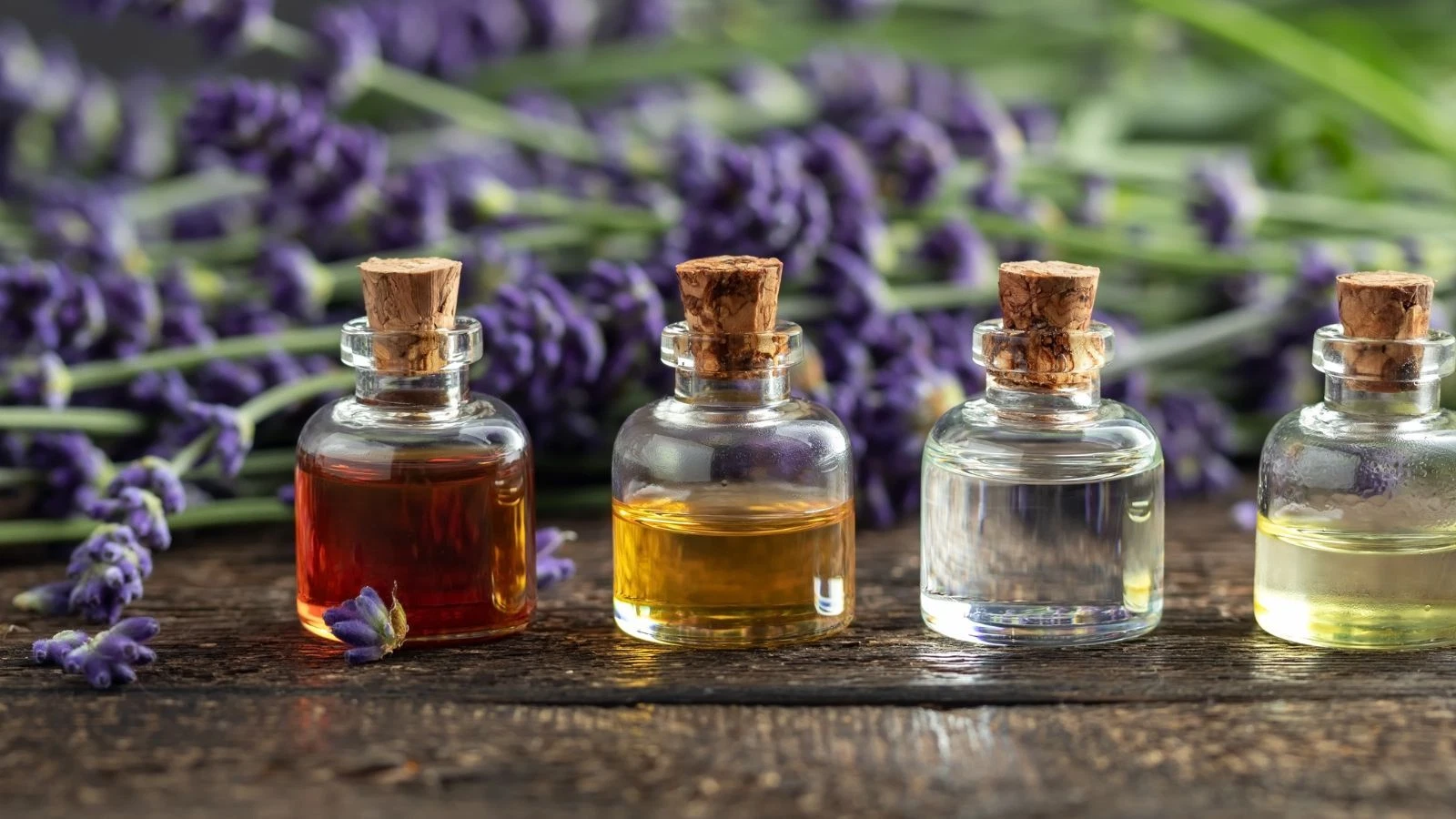
Essential oils are concentrated extracts obtained from plants. They capture the natural aroma and characteristic compounds found in flowers, leaves, bark, roots, seeds, fruits and resins. These aromatic oils have been used for thousands of years in various cultures for fragrance, rituals, personal care and traditional wellness practices. Unlike synthetic fragrances, genuine essential oils are derived directly from botanical sources. Each oil contains a unique aromatic profile that gives it its distinctive scent and character.
Popular examples include:
- Lavender
- Peppermint
- Lemon
- Tea Tree
- Eucalyptus
- Frankincense
- Sweet Orange
- Rosemary
- Bergamot
- Ylang Ylang
Today, essential oils are commonly used in:
- Aromatherapy
- Diffusers
- Oil burners
- Massage oils
- Bath products
- Home fragrance
- Meditation routines
- Natural skincare products
The History of Essential Oils
The use of aromatic plants dates back thousands of years.
Ancient Egypt
Ancient Egyptians used aromatic oils and plant extracts in cosmetics, religious ceremonies and personal care. Many historians consider Egypt one of the earliest civilisations to utilise plant-based fragrances extensively.
Ancient Greece and Rome
Greek and Roman societies valued aromatic plants and oils for bathing, massage and wellness practices. Historical records describe the use of herbs and scented oils in everyday life.
Traditional Eastern Practices
Across India, China and other parts of Asia, aromatic botanicals have long played an important role in traditional cultural and wellness traditions.
Modern Aromatherapy
The term ‘aromatherapy’ emerged during the 20th century and remains widely used today to describe the practice of using aromatic plant oils to enhance wellbeing and create enjoyable sensory experiences.
How Essential Oils Are Made
Understanding how essential oils are produced helps explain why they are often considered premium products.
Steam Distillation
Steam distillation is the most common extraction method. Steam passes through plant material and captures aromatic compounds. The resulting vapour is cooled and separated into water and essential oil. Many popular oils are produced using this method, including:
- Lavender
- Peppermint
- Eucalyptus
- Tea Tree
Cold Pressing
Cold pressing is primarily used for citrus oils. The oil is mechanically extracted from the fruit peel without heat.
Examples include:
- Lemon
- Orange
- Grapefruit
- Lime
- Bergamot
CO₂ Extraction
Some premium oils are produced using carbon dioxide extraction. This method can preserve delicate aromatic compounds and create highly fragrant extracts.
Essential Oils vs Fragrance Oils
One of the most common beginner questions concerns the difference between essential oils and fragrance oils.
Essential Oils
- Derived from natural plant sources
- Extracted from flowers, leaves, bark, roots or fruit peels
- Each batch may vary slightly
- Widely used in aromatherapy
Fragrance Oils
- Usually created using synthetic ingredients
- Designed primarily for scent
- Offer greater consistency
- Commonly used in candles, soaps and home fragrance products
Neither is inherently better than the other—they simply serve different purposes. If your goal is aromatherapy, essential oils are generally preferred.
Why Are Essential Oils So Popular?
Essential oils continue to grow in popularity for several reasons.
They Create Atmosphere
A pleasant scent can dramatically influence how a room feels. Lavender may create a calming atmosphere, while citrus oils often provide a fresh and uplifting environment.
They Support Self-Care Rituals
Many people incorporate essential oils into:
- Evening routines
- Bath rituals
- Meditation sessions
- Yoga practice
- Relaxation time
They Enhance Home Fragrance
Diffusers and oil burners provide an alternative way to fragrance a home naturally.
They Encourage Mindful Moments
The simple act of pausing to enjoy a favourite aroma can become part of a broader wellbeing routine.
The Best Essential Oils for Beginners
When starting out, focus on a small collection of versatile oils.
Lavender
Often considered the ideal beginner oil. Popular for:
- Relaxation
- Evening routines
- Diffuser blends
- Bath products
Lemon
Fresh, bright and uplifting. Popular for:
- Home fragrance
- Cleaning blends
- Energising diffuser recipes
Peppermint
Cooling and refreshing. Popular for:
- Focus
- Productivity
- Daytime aromatherapy
Tea Tree
Fresh and distinctive. Popular for:
- Personal care routines
- Natural household products
Eucalyptus
Clean and invigorating. Popular for:
- Spa-style experiences
- Shower steamers
- Bathroom diffusers
Take a look at our collection of Essential Oils, available to purchase online today.
How Aromatherapy Works
Aromatherapy centres around the experience of scent. When we inhale aromas, scent molecules interact with the olfactory system, which is closely linked to areas of the brain involved in memory and emotion. This helps explain why particular scents can instantly remind us of:
- Holidays
- Childhood memories
- Favourite places
- Relaxing experiences
Because scent is deeply personal, different individuals may respond differently to the same aroma.
Essential Oil Diffusers Explained
Ultrasonic Diffusers
The most popular option. They combine water and essential oils to create a fine aromatic mist.
Benefits:
- Easy to use
- Affordable
- Suitable for most homes
Reed Diffusers
A passive fragrance solution that slowly disperses scent through reeds.
Benefits:
- No electricity required
- Continuous fragrance
Oil Burners
A traditional method using a tealight candle and water.
Benefits:
- Attractive decorative feature
- Simple operation
Explore our selection of Aroma Lamps and Diffusers
Understanding Carrier Oils
Essential oils are highly concentrated. When applying them to the skin, they are usually diluted using carrier oils. Popular carrier oils include:
Sweet Almond Oil
Lightweight and versatile.
Jojoba Oil
Closely resembles the skin’s natural oils.
Grapeseed Oil
Light and easily absorbed.
Coconut Oil
Popular in massage and skincare products.
Apricot Kernel Oil
Gentle and suitable for many skin types.
Essential Oil Safety for Beginners
Safety should always come first.
Always Dilute Before Skin Use
Essential oils are concentrated and may cause irritation if used incorrectly.
Perform Patch Tests
Before trying a new blend:
- Dilute properly.
- Apply to a small area.
- Wait 24 hours.
Avoid Eye Contact
Keep oils away from eyes and sensitive areas.
Store Correctly
Keep oils:
- Away from direct sunlight
- Tightly sealed
- In cool environments
Keep Away from Children
Store essential oils securely and responsibly.
Simple Essential Oil Blending Basics
Blending oils is one of the most enjoyable aspects of aromatherapy.
Top Notes
The first aromas noticed.
Examples:
- Lemon
- Grapefruit
- Bergamot
Middle Notes
The heart of the blend.
Examples:
- Lavender
- Rosemary
- Geranium
Base Notes
The longest-lasting aromas.
Examples:
- Frankincense
- Cedarwood
- Sandalwood
Beginner Blend Recipes
Relaxing Evening Blend
- 3 drops Lavender
- 2 drops Sweet Orange
Fresh Home Blend
- 3 drops Lemon
- 2 drops Eucalyptus
Focus Blend
- 3 drops Peppermint
- 2 drops Lemon
Spa Blend
- 3 drops Lavender
- 2 drops Eucalyptus
Essential Oils for Different Goals
For Relaxation
Popular choices:
- Lavender
- Chamomile
- Ylang Ylang
For Focus
Popular choices:
- Peppermint
- Rosemary
- Lemon
For Meditation
Popular choices:
- Frankincense
- Sandalwood
- Patchouli
For Home Fragrance
Popular choices:
- Orange
- Lemon
- Eucalyptus
Essential Oils Around the Home
Bedroom
Gentle floral and relaxing aromas are often preferred.
Living Room
Fresh citrus blends create a welcoming atmosphere.
Bathroom
Eucalyptus and mint aromas can create a spa-like environment.
Home Office
Peppermint and citrus oils are popular daytime choices.
Seasonal Essential Oil Ideas
Spring
- Lemon
- Grapefruit
- Bergamot
Summer
- Lime
- Orange
- Peppermint
Autumn
- Cedarwood
- Clove
- Orange
Winter
- Cinnamon
- Frankincense
- Sweet Orange
Christmas
Festive combinations often include:
- Orange
- Cinnamon
- Clove
- Frankincense
Common Essential Oil Myths
Myth: More Drops Means Better Results
In reality, small amounts are often sufficient.
Myth: Natural Means Risk-Free
Natural products still require safe and responsible use.
Myth: All Essential Oils Are Identical
Quality varies significantly between suppliers.
Myth: Every Oil Smells the Same to Everyone
Fragrance preferences are highly individual.
Choosing High-Quality Essential Oils
Look for suppliers that provide:
- Botanical names
- Country of origin
- Purity information
- Dark glass bottles
- Clear ingredient listings
Quality oils often provide a better overall aromatic experience.
Frequently Asked Questions
What is the best essential oil for beginners?
Lavender is often recommended due to its versatility and gentle aroma.
How many oils should I buy initially?
Five versatile oils are usually enough to begin.
Do I need a diffuser?
No. Essential oils can also be enjoyed through oil burners, room sprays, bath products and direct inhalation.
Can I mix different oils together?
Yes. Blending is a popular aspect of aromatherapy.
How long do essential oils last?
Most oils remain usable for several years when stored correctly.
What is the difference between an essential oil and a fragrance oil?
Essential oils are derived from plants, while fragrance oils are usually created for scent using aromatic ingredients.
Begin Your Aromatherapy Journey
Essential oils offer an accessible introduction to the world of aromatherapy and home fragrance. By starting with a small collection, learning basic safety principles and experimenting with simple blends, you’ll quickly gain confidence in choosing and using essential oils. Then you can expand into complementary products such as oil burners and diffusers and aromatherapy shower steamers.
Whether you’re creating a relaxing evening ritual, enhancing your home environment or exploring natural wellness products, essential oils provide countless opportunities to discover aromas that suit your lifestyle and preferences.
Related Reading: Handmade Soap Guide