
Discover the meaning of artisan goods, why handmade products are becoming increasingly popular and how choosing handcrafted products supports quality, sustainability and skilled makers.
What Are Artisan Goods?
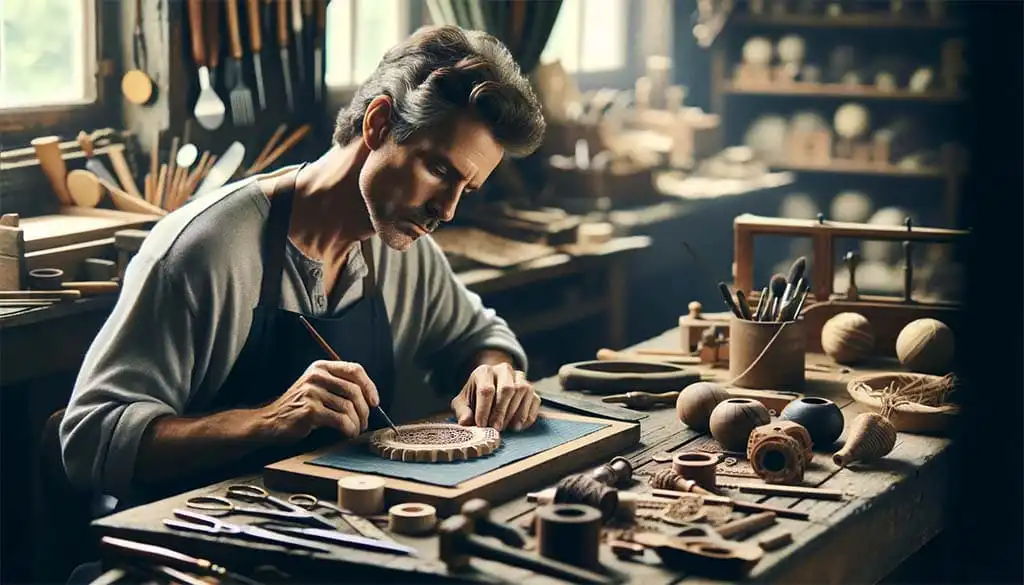
Artisan goods are products created by skilled craftspeople using traditional techniques, specialist knowledge, and small-scale production methods. Unlike mass-produced items manufactured in large factories, artisan products are typically made with greater attention to detail, craftsmanship and quality.
The term artisan refers to a person who has developed expertise in a particular craft. Whether producing soaps, candles, jewellery, home décor, textiles, groceries or wellness products, artisans combine creativity and skill to create products that stand out from factory-made alternatives.
Today, artisan goods are increasingly sought after by consumers looking for authenticity, individuality and products that tell a story. Many are here on our website, where you can explore our extensive range of artisan goods.
The History of Artisan Craftsmanship
Artisan craftsmanship has existed for thousands of years. Before factories and mass production, nearly every product used in daily life was created by skilled craftspeople.
Ancient civilisations relied on artisans to create pottery, textiles, tools, furniture, jewellery and decorative objects. Throughout history, craftsmanship played an important role in preserving cultural traditions and passing specialised skills from one generation to the next.
During the Middle Ages, artisan trades became highly organised through guilds, which maintained quality standards and trained apprentices. Becoming a master craftsperson often required years of dedicated learning and practical experience.
Although industrialisation transformed manufacturing, artisan skills never disappeared. In fact, growing consumer interest in handmade products has helped fuel a modern revival of traditional craftsmanship.
Why Artisan Goods Are Becoming More Popular
Consumer attitudes have changed significantly over the past decade. Increasingly, shoppers want to know where products come from, how they are made, and who made them.
A Desire for Authenticity
Many consumers are moving away from generic, mass-produced products in favour of items that feel more personal and meaningful.
Artisan goods offer a level of individuality that factory-made products often cannot match. Small variations in colour, texture, shape, or finish make each item unique.
Quality Over Quantity
As concerns grow about disposable consumer culture, many shoppers are choosing to invest in better-quality products that are designed to last.
Artisan makers typically focus on craftsmanship rather than volume, resulting in products that are often more durable and carefully finished.
Supporting Independent Businesses
Purchasing artisan products allows consumers to support independent makers and small businesses directly.
Many people value knowing that their purchases contribute to the success of skilled craftspeople and local communities.
The Benefits of Buying Artisan Goods
Superior Craftsmanship
Artisans often spend years perfecting their skills and refining their techniques.
Whether creating handcrafted soaps, hand-poured candles or carefully blended aromatherapy products, artisans focus on producing items that reflect their expertise and attention to detail.
Unique and Individual Products
One of the greatest appeals of artisan goods is their uniqueness.
Unlike factory-produced items that are manufactured by the thousands, artisan products often feature subtle variations that add character and individuality.
Better Materials
Many artisans prioritise quality ingredients and responsibly sourced materials.
Examples include:
- Natural essential oils
- Soy wax and beeswax
- Sustainable wood
- Natural gemstones
- Plant-based ingredients
- Recyclable packaging
Emotional Value
Handcrafted products often carry greater emotional significance because consumers recognise the skill, effort and creativity involved in their creation.
Popular Types of Artisan Goods
Handmade Soaps
Handmade soap remains one of the most popular artisan product categories.
Unlike many commercial alternatives, artisan soaps often contain carefully selected oils, botanical ingredients, skin-conditioning butters and natural fragrances.
Many soap makers use traditional production methods that allow greater control over ingredients and quality.
Candles and Wax Melts
Hand-poured candles and artisan wax melts have become essential elements of modern home fragrance collections.
Consumers increasingly choose natural wax products to create warm, inviting environments and enhance relaxation.
Popular options include soy wax candles, coconut wax candles, beeswax candles and scented wax melts.
Aromatherapy Products
Interest in self-care and wellbeing has increased demand for artisan aromatherapy products.
These products may include:
- Essential oil blends
- Bath bombs
- Shower steamers
- Diffuser oils
- Roller oils
- Wellness gift sets
Many people have discovered the benefits of incorporating aromatherapy products for relaxation and wellbeing into their daily routines. Many consumers use essential oil blends to create relaxing aromatherapy experiences at home. Similarly, relaxing with fizzy bath bombs infused with essential oils has become a popular self-care ritual.
Home Fragrance Products
Home fragrance remains one of the fastest-growing artisan categories.
Products such as candles, wax melts, incense, fragrance oils and diffusers allow consumers to personalise their living spaces through scent. Carefully chosen home fragrance products can transform the atmosphere of any living space, while traditional incense sticks and aromatic resins continue to be used for meditation and relaxation.
Gemstones and Crystals
Natural gemstones and crystals continue to attract interest from collectors, gift buyers and home décor enthusiasts.
Artisan retailers often offer carefully selected tumble stones, crystal gift sets, decorative specimens and carved figures.
Handmade Home Décor
Handcrafted home décor products help consumers create living spaces that feel personal and distinctive.
Popular artisan home décor products include:
- Decorative bowls
- Wooden ornaments
- Ceramic pieces
- Wall art
- Woven baskets
- Decorative accessories
Artisan Goods vs Mass-Produced Products
While mass-produced products offer convenience and affordability, artisan goods provide benefits that many consumers consider worth the investment.
| Artisan Goods | Mass-Produced Products |
|---|---|
| Small-batch production | Large-scale manufacturing |
| Greater attention to detail | Focus on efficiency |
| Unique characteristics | Standardised appearance |
| Often handmade or hand-finished | Primarily machine-made |
| Emphasis on quality | Emphasis on volume |
| Personal connection to maker | Limited connection to production |
This distinction is one of the key reasons artisan products continue to grow in popularity.
Sustainability and Artisan Products
Sustainability has become a major factor influencing consumer purchasing decisions.
Many artisan businesses naturally align with sustainable values.
Reduced Overproduction
Small-batch production helps minimise excess inventory and waste.
Natural Ingredients and Materials
Many artisan makers prioritise natural ingredients and responsibly sourced materials.
Common examples include:
- Soy wax
- Beeswax
- Cotton
- Bamboo
- Essential oils
- Sustainably harvested wood
Eco-Friendly Packaging
Many artisan businesses are adopting recyclable, reusable, or compostable packaging solutions to reduce environmental impact.
Longer Product Lifespan
Well-crafted artisan goods are often designed to last longer than disposable alternatives, reducing replacement frequency and waste.
Why Consumers Prefer Handmade Products
Research consistently shows that consumers often perceive handmade products as more valuable than mass-produced alternatives.
Perceived Effort
People naturally appreciate products that require skill, care and dedication to create.
Individual Expression
Artisan goods allow consumers to express their personal style through unique purchases.
Authentic Experiences
Modern consumers increasingly value meaningful experiences and genuine craftsmanship.
Handmade products provide a tangible connection to creativity and human skill.
Artisan Goods and Gift Giving
Artisan products make exceptional gifts because they feel personal, thoughtful, and distinctive.
Popular artisan gift ideas include:
- Handmade soap gift sets
- Aromatherapy gift boxes
- Candle collections
- Crystal gift sets
- Decorative home accessories
- Wellness hampers
Consumers often choose artisan gifts because they offer originality and quality that mass-produced presents may lack.
Frequently Asked Questions
What are artisan goods?
Artisan goods are products created by skilled craftspeople using traditional techniques and small-scale production methods. They often emphasise quality, craftsmanship, and individuality.
Why are artisan goods often more expensive?
Artisan products require more labour, skill, and time to produce. They are also frequently made using higher-quality materials and smaller production runs.
Are artisan goods sustainable?
Most artisan products are created using natural materials, eco-friendly packaging, and small-batch production methods that reduce waste.
What types of products are considered artisan goods?
Examples include handmade soaps, candles, jewellery, aromatherapy products, clothing, home décor, gemstones, crystals and handcrafted gifts.
Why should I buy artisan products?
Buying artisan products supports skilled makers, helps preserve traditional crafts, promotes sustainability and provides access to unique, high-quality goods.
Conclusion
Artisan goods represent more than handmade products. They embody craftsmanship, creativity, authenticity and quality.
Whether it’s a handcrafted soap, a hand-poured candle, a carefully blended essential oil, or a unique crystal gift, artisan products offer consumers a meaningful alternative to mass-produced goods.
As demand for sustainability, individuality and conscious consumerism continues to grow, artisan goods are likely to become even more valued in the years ahead.
By choosing artisan goods, consumers not only acquire unique and beautiful items but also support skilled makers, preserve traditional craftsmanship and contribute to a more thoughtful and sustainable economy.
Related reading: Essential Oils For Beginners